





What it tastes like
Bitter citrus · herbal complexity · smooth finish
Campari is a classic Italian aperitivo with distinctive bitter orange and botanical notes. Perfect for cocktails and aperitif moments.
 Orange zest
 Citrus
 Vanilla & caramel
 Cream




















$50$100$150$250
Buy a gift card →
Everyday LowUltra Low
Red, white, rosé and sparkling from New Zealand and around the world.
Craft beer, lager, cider, low carb and zero alcohol options.
Whisky, gin, vodka, rum, tequila, liqueurs and more.
Ready-to-drink pre-mixed cocktails and spirit-and-mixer drinks in a can or bottle.
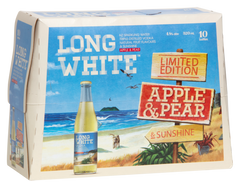
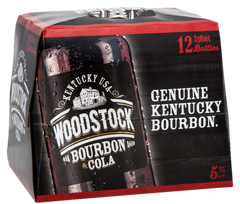
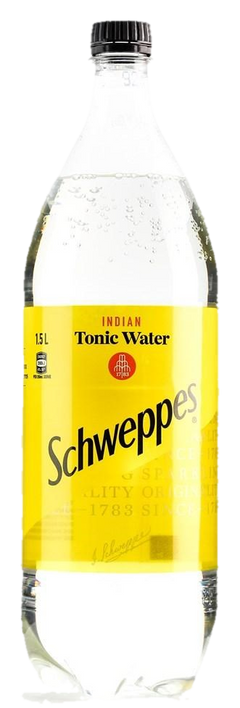
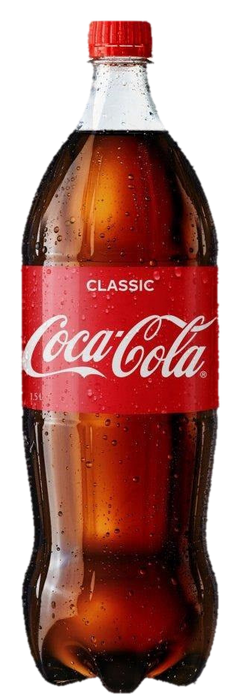
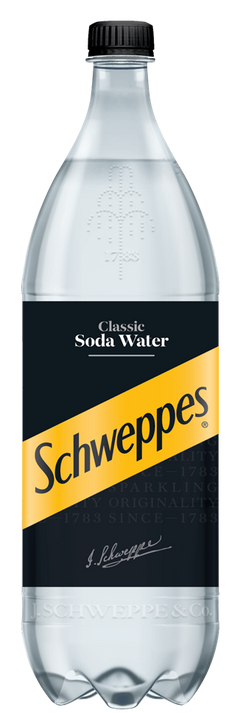
Mixers, soft drinks, snacks and bar extras.
Gift boxes, gift cards and corporate gifting.
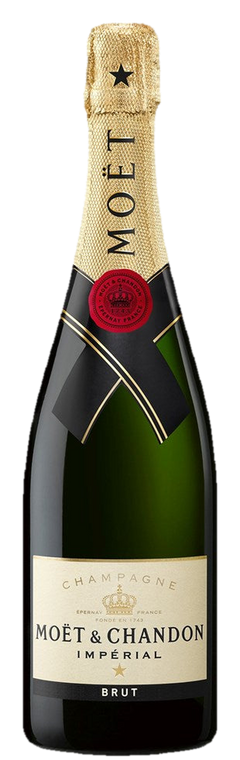
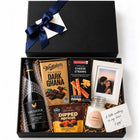 The ClassicGift boxfrom $74.99
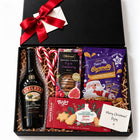 The Christmas BoxGift boxfrom $74.99
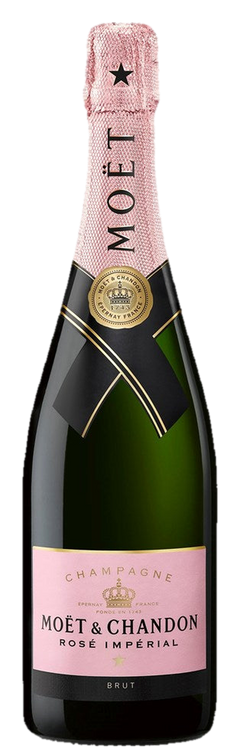
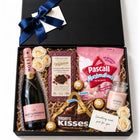 The Rosé EditGift box$92.99
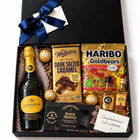 The Celebration BoxGift box$104.99
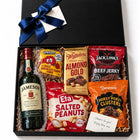 The Whisky DenGift box$127.99
No gifts match that. Try a box name, like Classic.
Reviews, tips and tricks and good-to-know reads on choosing and serving drinks.
23 guides
 Small bottles to try first
 Beer styles: lager, pale ale, IPA and hazy
 Behemoth cans to try first
 RTDs: what is in the can?
 Best RTDs for summer
 How long does an open bottle last?
 Whisky gifts at every price
 Pistachio cream liqueur, and how to serve it
 Three easy picks: a beer, a red and a can
 The perfect G&T, step by step
 Whisky 101: Scotch, bourbon, Irish and Japanese
 Tequila: blanco, reposado or añejo?
 Scotch or bourbon?
 Best New Zealand reds under $25
 Best gins under $60
 After-dinner drinks, explained
 Find your gin style
 Stocking up for a party
 What to drink at a BBQ
 Stock a home cocktail cabinet
 Bubbles for every celebration
 A beginner’s whisky flight
 How to pick wine for a dinner party
No guides match that. Try a drink, like whisky or gin.
Delivery, returns, questions and how to reach us.
Sign in to see your orders and saved bottles.
Popular right now
 Baileys Irish Cream 1LUltra LowA real price cut, for a limited time. The struck-out price is what it was before.Liqueur
$51.99
 Canadian Cl 4.8% Zero 10x330Ultra LowA real price cut, for a limited time. The struck-out price is what it was before.RTD
$27.99
 Jim Beam 4.8% Zero 10x330CUltra LowA real price cut, for a limited time. The struck-out price is what it was before.RTD
$27.99
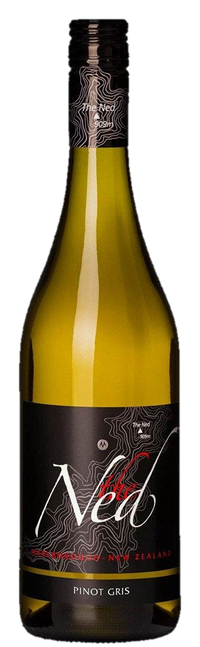
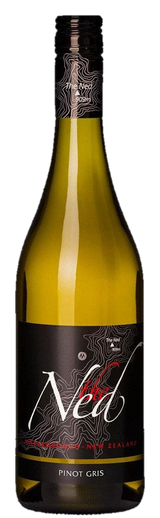 The Ned Pinot Gris 750mlUltra LowA real price cut, for a limited time. The struck-out price is what it was before.Wine
$16.99
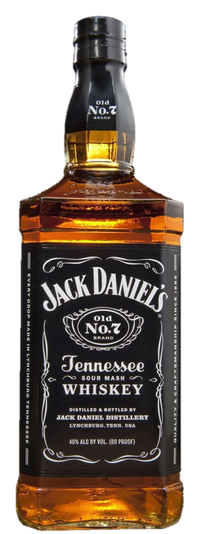
 Jack Daniels 700mlUltra LowA real price cut, for a limited time. The struck-out price is what it was before.Whisky
$48.99
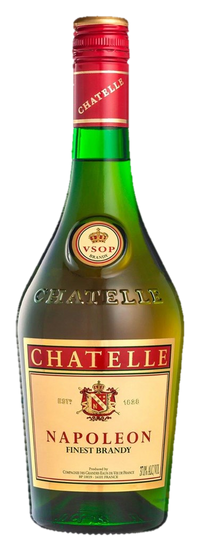
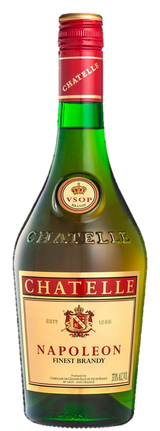 Chatelle Napoleon 1LUltra LowA real price cut, for a limited time. The struck-out price is what it was before.Brandy & Cognac
$51.99
↑↓ to moveEnter to openEsc to close
See all results →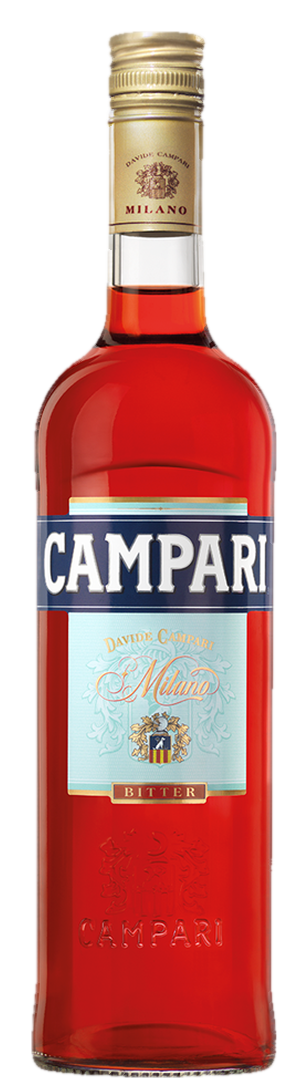 Orange zestCitrusVanilla & caramelCream
$49.99each
Bitter citrus · herbal complexity · smooth finish
Campari is a classic Italian aperitivo with distinctive bitter orange and botanical notes. Perfect for cocktails and aperitif moments.
Orange zestCitrusVanilla & caramelCreamGaspare Campari first made Campari in 1860, in the caffè he ran in Novara, about fifty kilometres west of Milan. He called it Bitter all'uso d'Hollanda. In 1867 he opened a bar in Milan's new Galleria Vittorio Emanuele, and when he died in 1882 his son Davide took over the business and began selling abroad.
The recipe has never been published. What is known is that herbs and fruit, among them chinotto, a bitter citrus, and cascarilla bark, are infused in alcohol and water. The company describes the result as a brilliant clear red, with herbal, orange and floral aromas and a pleasantly bitter, velvety aftertaste. Production moved on 1 October 1904 to a new factory at Sesto San Giovanni, on the edge of Milan, which brought mechanisation and rail links. In 1932 the company launched Campari Soda, a ready-mixed bottle in a cone shape designed by Fortunato Depero.
Bitterness is the point of Campari, so it is usually paired with something sweet or fizzy. It is a key ingredient in the Negroni, with gin and sweet vermouth, and in the Americano and the Boulevardier. Mixed with soda over ice, or topped with prosecco for a spritz, it keeps the flavour front and centre.
No reviews yet. Bought this one? Tell everyone what you thought.
$37.99
$37.99
$69.99
$62.99
You need to be 18 or over to visit Liquor Library.
It is an offence to supply alcohol to a person under 18. Off-licence 007/OFF/408/2024.