Pimm's No. 1 Cup takes its name from a drinking vessel. James Pimm, a farmer's son from Kent, served the drink at an oyster bar in the City of London near the Bank of England, in a small tankard known as a No. 1 Cup. By 1851 the range had grown to include a No. 2 with a Scotch base and a No. 3 with brandy. Frederick Sawyer bought the business in 1865 and Horatio Davies took it over in 1880. Diageo owns it today.
No. 1 is gin-based and flavoured with a closely guarded mix of botanicals. It is tied to English summer sport, and the first Pimm's bar opened at the Wimbledon tennis tournament in 1971.
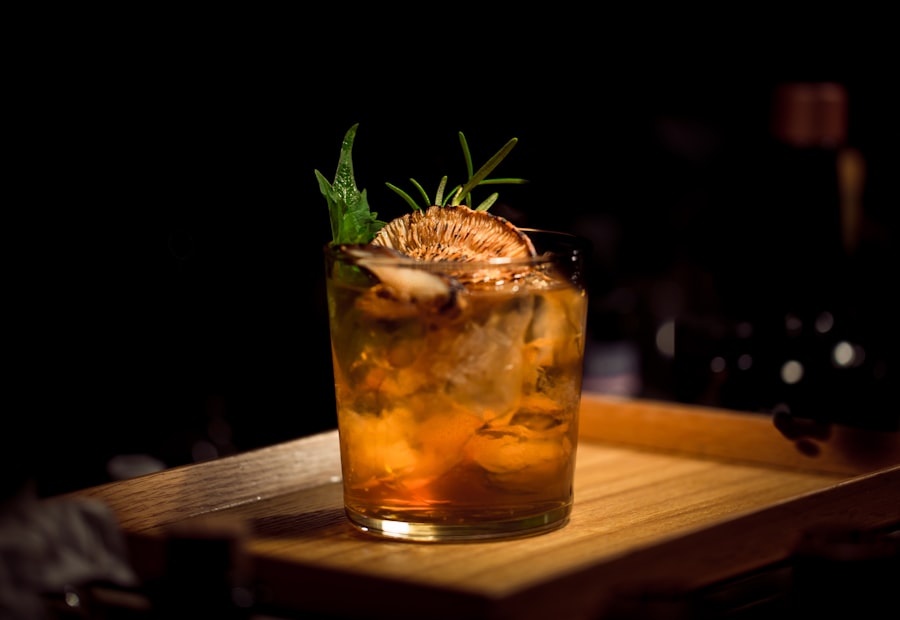
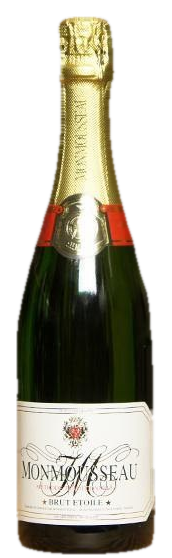
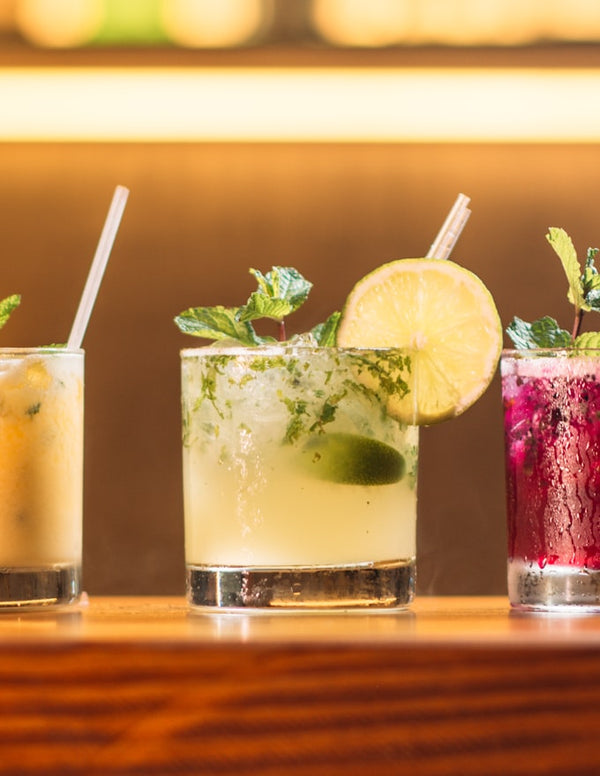
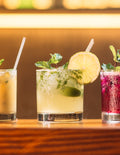
The classic serve is a tall glass full of ice, topped with lemonade and loaded with garnish: sliced cucumber, strawberries, orange, apple and fresh mint. Ginger ale is a common substitute for the lemonade, and borage is a traditional garnish. A Royal Cup tops it with sparkling wine instead, and a Pimmlet is a gimlet made with Pimm's in place of gin. For a table, mix it in a jug and let the fruit sit for a while before pouring.


















 Build your own
 Build your own
 For her
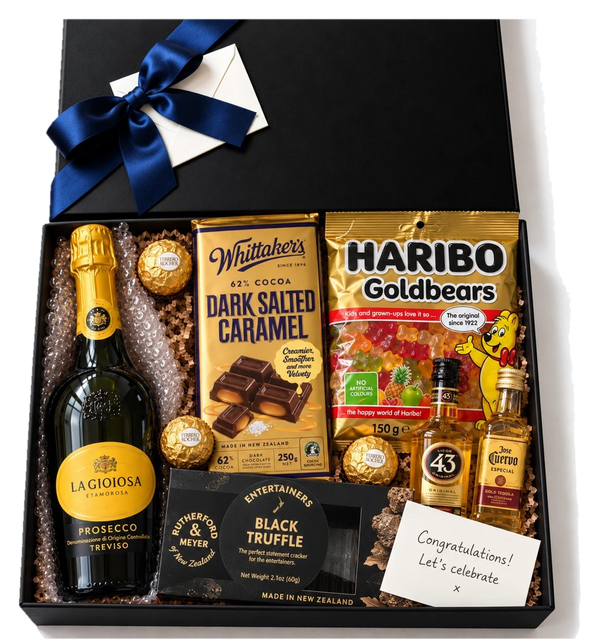 For celebrations
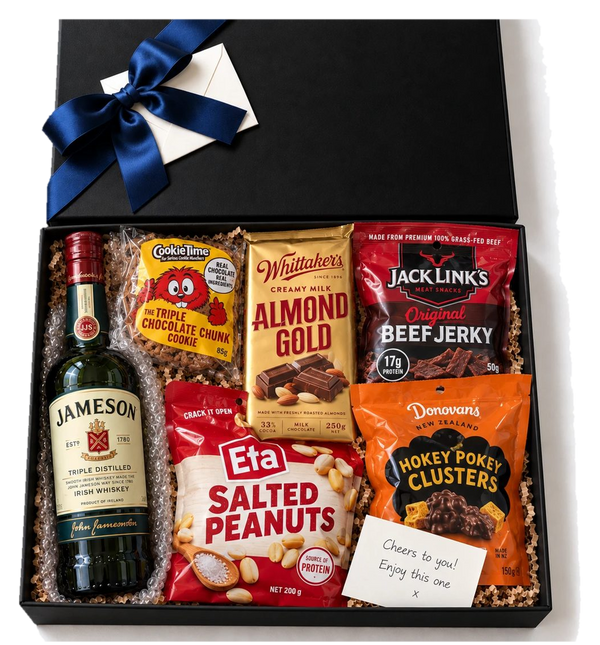 For him





 Liquor Library


























 Citrus
 Warm spice
 Herbal